SauteePan October 10 2010. Loan to value ratios of.

Maximum Loan To Value Ratio Definition
PMI typically costs between 05 to 1 of the loan amount every year and must be paid until your LTV ratio drops to 78.

What does 80 loan to value mean. Loan to Value is a critical tool used when lenders measure risk and as a house buyer the Loan to Value Ratio will quickly determine the maximum house price you can afford. Tojatilar 16042021 16042021. Oct 21 Your LTV ratio would be 80 because the dollar amount of the loan is 80 of the value of the house and 80 divided by equals or 80.
To quickly calculate the maximum house price you can afford simply use this equation. This means your loan-to-value has been reduced to 43 - a great improvement on the 80 when you first purchased the property. This is the standard loan to value formula.
This means that a borrower will put a 20 down payment and finance only 80 of the value of the home. For new cars its usually the invoice price or MSRP. You can find LTV ratio calculators online to help you figure out more complicated cases such as those including more than one mortgage or lien.
This deposit is effectively your share of the. So your loan to value ratio is 80. What does 80 loan to value mean.
LTV is one of the main numbers a. The loan-to-value is the ratio between the value of the loan you take out and the value of the property as a whole expressed as a percentage. So 200000 on a 250000 property works out at a 80 loan to value ratio with your deposit covering the remaining 20.
The remaining value is paid as a deposit. Falling house prices House prices can go down as well as up and homeowners can be caught out if they take out high loan-to-value mortgages or even interest-only mortgages on the assumption that property prices will continue to rise. When a lender approves your loan it will also give you a loan to value LTV percentage that might be 80 100 125 or even more.
Different lenders have different ways of determining a cars value. 100 x Your Deposit Your Maximum Affordable House Price 100 - Max LTV. Mortgage insurance allows the lender to take greater risks to lend you the.
There are many different factors that lenders consider when evaluating financing for commercial real estate. For instance when you buy a home and take out a mortgage you are normally required to put down a cash deposit yourself. Mortgage Required If you have a loan of 265000 on a property valued at 300000 then the Loan as a percentage of the propertys value would be 8833.
If youre buying a house with a conventional loanthat is a mortgage thats not backed by a federal programan LTV ratio greater than 80 may mean youre required to buy private mortgage insurance PMI which covers the lender against loss if you fail to repay your loan. To determine interest rates loan terms and overall risk one common metric thats used is the loan-to-value LTV ratio. If you put 20 down that means youre borrowing 80 of the homes value.
An LTV of 80 or lower is an ideal target not only does this mean youll be eligible for preferable loan options with better rates but you can avoid paying mortgage insurance saving hundreds of dollars on your mortgage payments. This is the maximum size of your loan compared to the value of the car youre buying. This is the Loan to Value Ratio.
This is the preferred arrangement by most banks but they do provide loans outside these. Loan-to-value LTV is typically used in mortgages and is a measure of how much money equity you have in the property itself compared to how much of the property is a loan from the lender. Its a simple calculation that can.
If Jane buys a house worth 200000 and puts down 40000 and seeks a loan for 160000 her loan is 80 loan-to. After the 80 loan to value is satisfied then PMI is no longer needed. So if your loan.
What does Loan to Value LTV mean. What does loan-to-value mean. Say you want to buy a house worth 300000 and you have 60000 in your account that you can use as a deposit.
Loan to Value is one of the most discussed terms in commercial real estate finance. An 80 loan-to-value means that the loan is 80 of the value of the collateral. If your LTV is higher than 80 that can mean youll have to pay for mortgage insurance.
The ideal loan to value mortgages is 80 loan to value. If a lender will lend up to a maximum of 90 LTV then you have met the criteria with a loan to value of 8833.
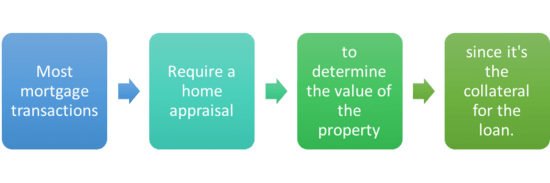
Mortgage Appraisals And Appraised Value The Truth About Mortgage
Learn How To Calculate Loan To Value Ratio Youtube

Loan To Value Ltv Ratio Explained Quicken Loans

A Guide To Loan To Value Ratio Rocket Mortgage
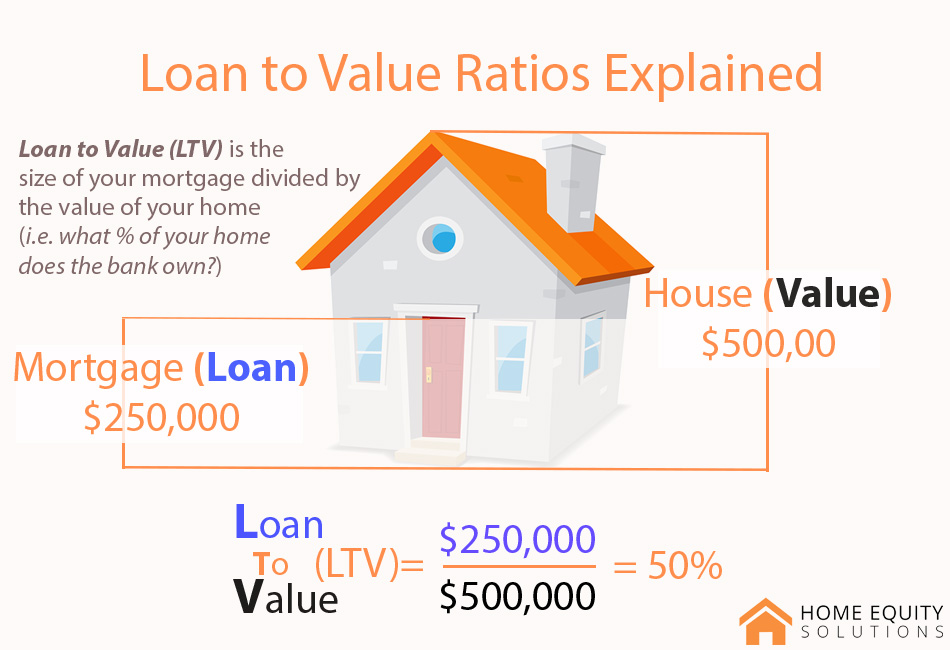
Loan To Value Explained Home Equity Solutions

Loan To Value Calculator Nerdwallet

How To Calculate Your Home S Equity Loan To Value Ltv Tips

Loan To Value Ratio Overview Importance Formula
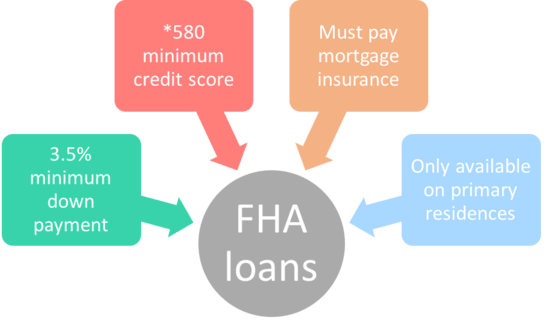
Fha Loans Everything You Need To Know The Truth About Mortgage

Loan To Value Ratio Why It Matters Credit Karma

What Is A Good Loan To Value Ltv Ratio Smartasset
:max_bytes(150000):strip_icc()/HowtoOutsmartPrivateMortgageInsurance1-f53f53e537a14a069144d763f621795b.png)
How To Outsmart Private Mortgage Insurance
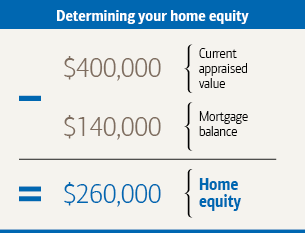
How To Calculate Your Home S Equity Loan To Value Ltv Tips
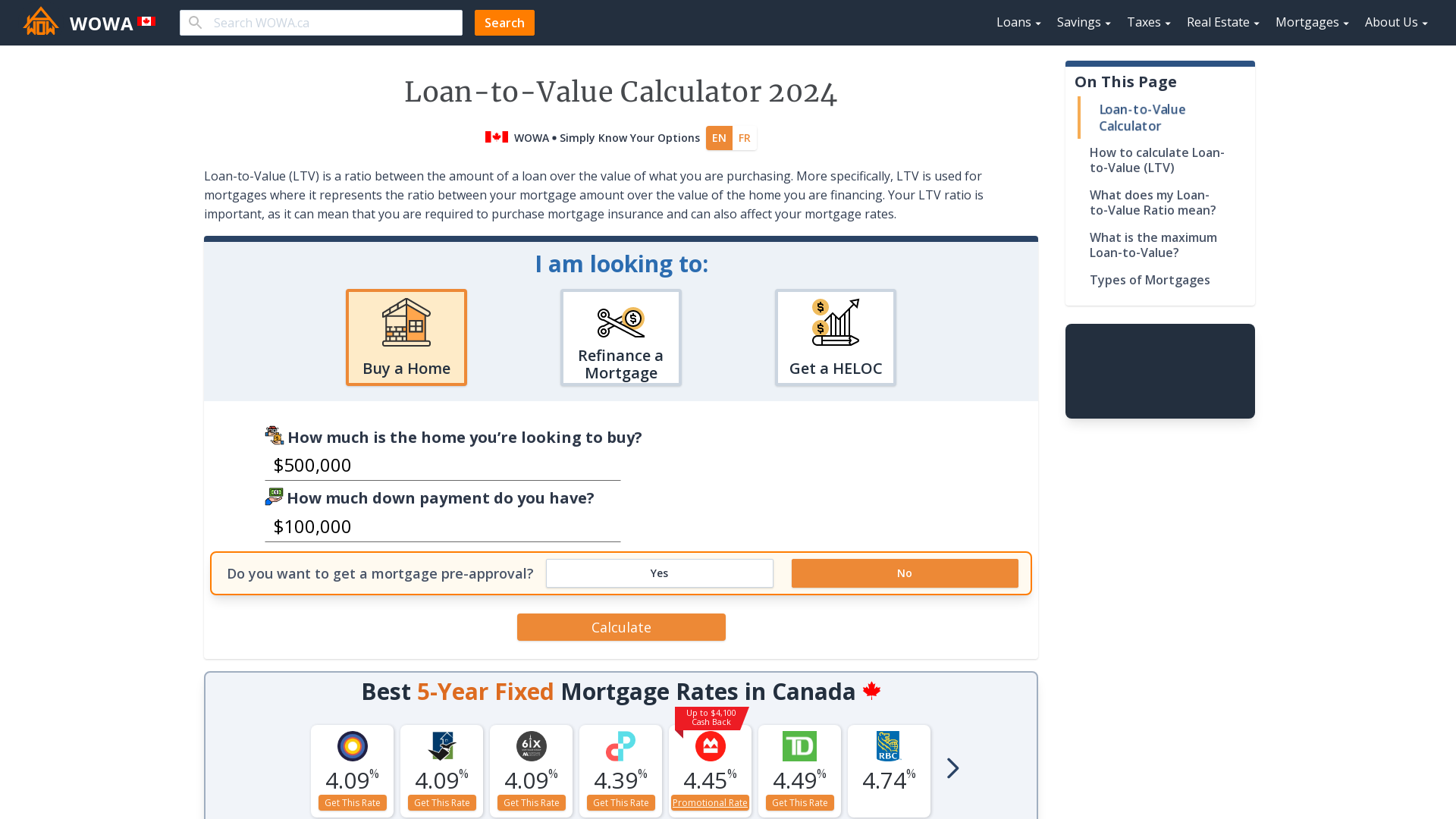
Loan To Value Ltv Calculator Find Your Ltv Ratio Wowa Ca

Loan To Value Ltv Ratio Loans Canada
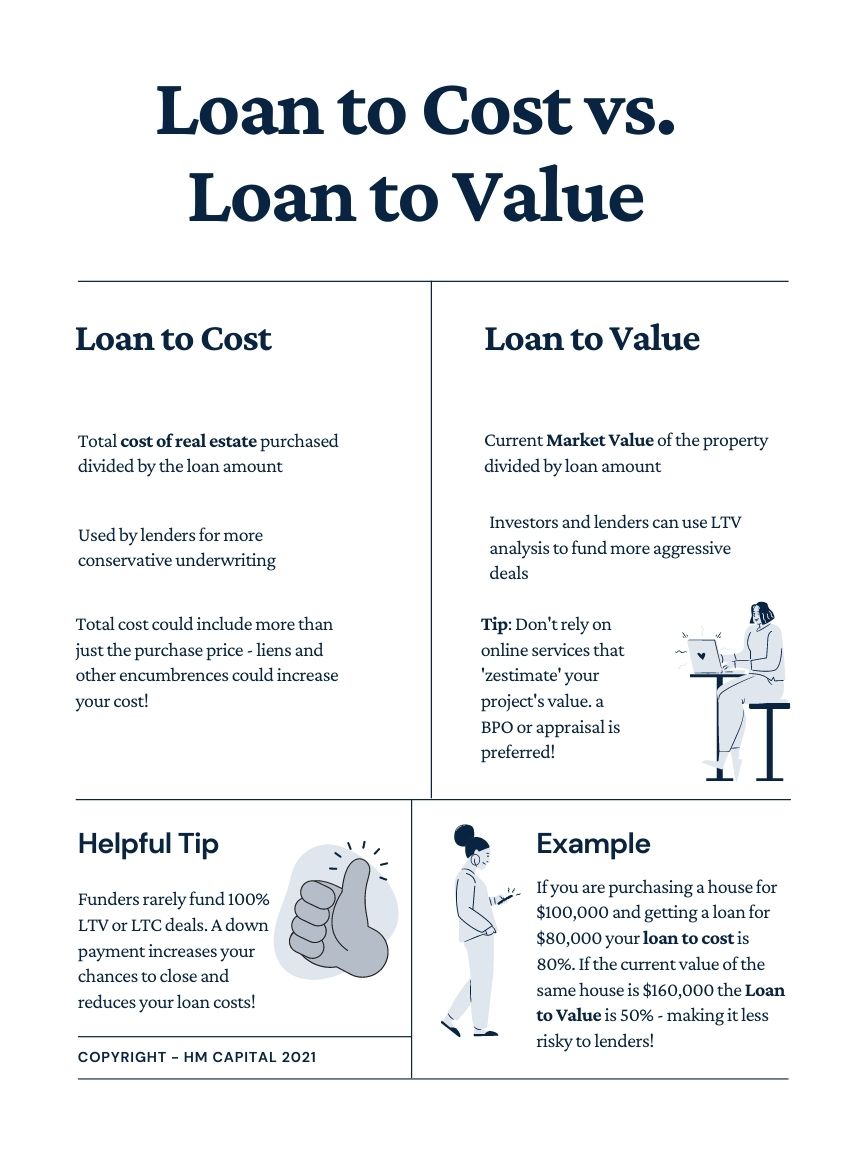
Loan To Cost Vs Loan To Value Definitions
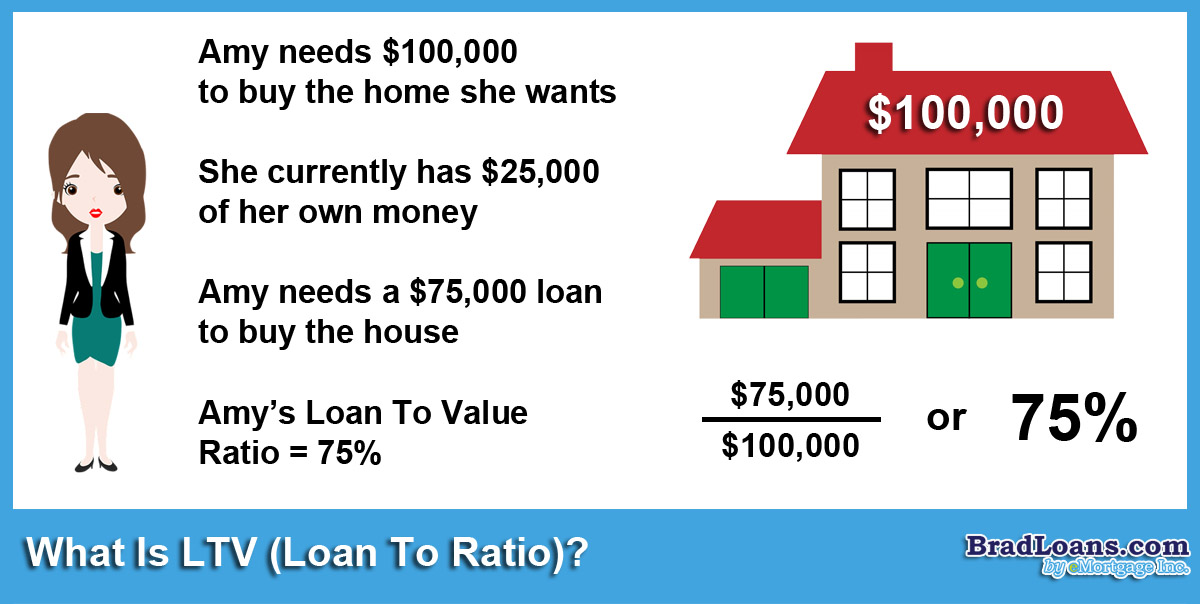
What Is Ltv Loan To Value Ratio Brad Loans By Emortgage
Explainer What Is Loan To Value Ratio And Why Is It Important
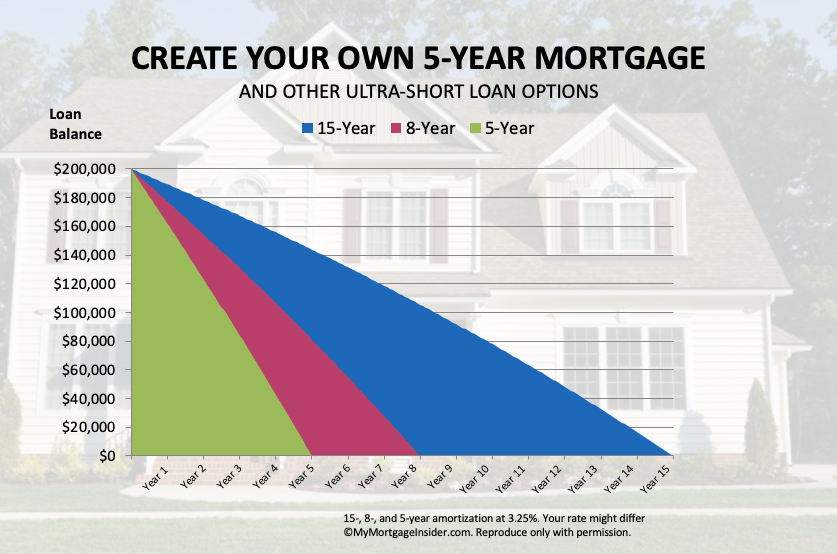
5 Year Fixed Mortgage Rates And Loan Programs

